
If you have ever typed “ant control near me” into your phone while watching a trail of tiny invaders march across your kitchen counter, trust me — you are not alone. We get calls like this every single week, especially once the weather starts warming up.
Ants are one of the most common household pests in the United States, and they have an uncanny ability to show up at the worst possible times. Whether they are raiding your pantry, building mounds in your yard, or quietly tunneling through the wooden structures of your home, ants can go from a minor annoyance to a real problem faster than most people expect.
In this guide, we are going to walk you through everything you need to know about ant pest control — from figuring out what kind of ant you are dealing with to choosing the right ant control professional in your area. We will also cover prevention tips, some DIY methods that actually work, and how to know when it is time to call in the pros. By the end, you will have a clear plan for taking your home back from these persistent little pests.
Why Ants Invade Your Home in the First Place
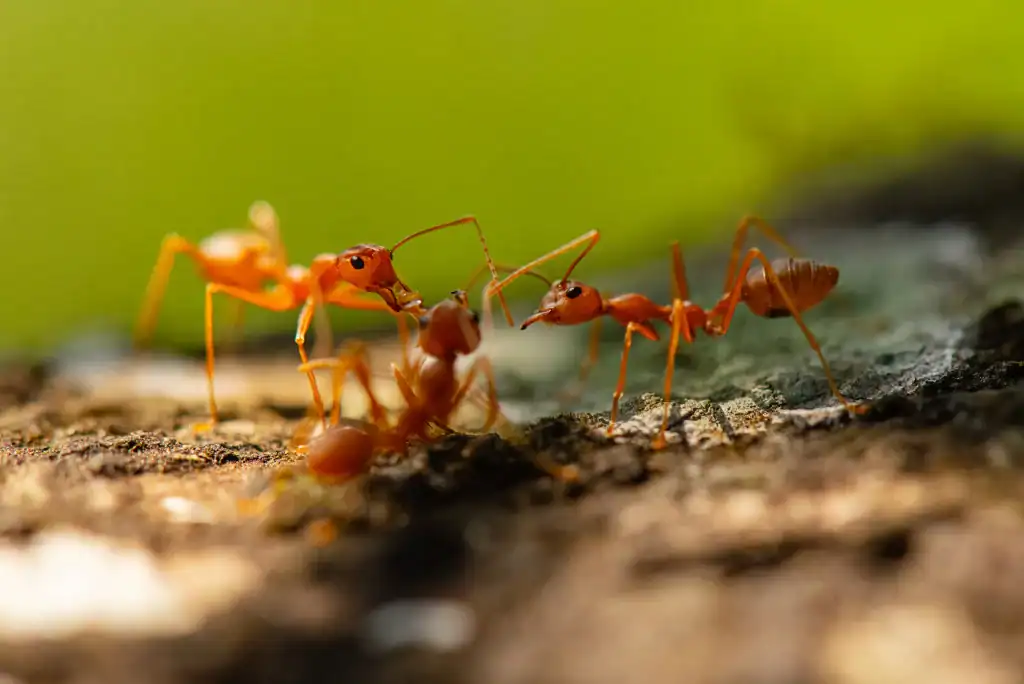
Before you start Googling ant exterminators near me, it helps to understand why ants are showing up in the first place. Here is the thing most people do not realize: ants are incredibly organized. They live in colonies that can number in the hundreds of thousands, and they send out scout ants to find food and water. Once a scout finds something good, it lays down a chemical trail for the rest of the colony to follow. That neat little single-file line you see marching across your counter? That is a highway built on pheromones.
The most common reasons ants find their way inside? Food is the big one — especially sugary or greasy items left out on countertops or in open containers. Moisture is another major draw, which is why you will often spot ants near sinks, bathrooms, and leaky pipes. And then there is the weather. When temperatures climb in spring and summer, ant activity ramps up dramatically. During heavy rains or extreme heat, ants often seek shelter indoors because, well, your house is a lot more comfortable than a flooded nest.
Understanding what is attracting ants to your home is the first real step in effective ant control. If you can cut off the food and water sources they are after, you make your home a lot less interesting to them.
Common Types of Ants You Might Be Dealing With
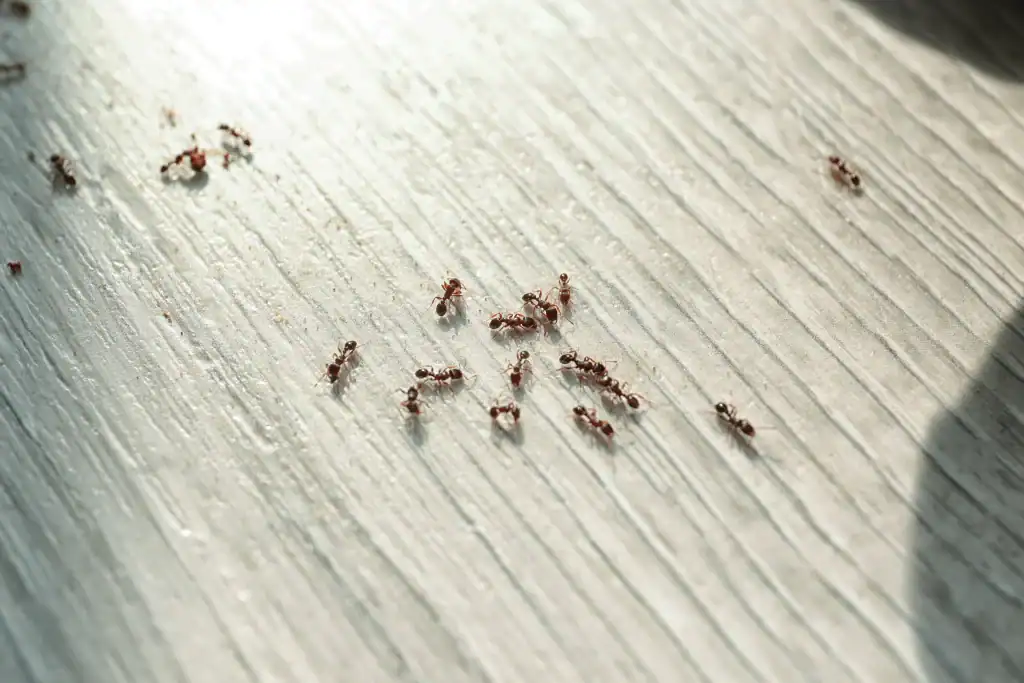
Not all ants are the same, and knowing which species has moved in makes a huge difference in how you handle the problem. Here are the ones we see most often:
Carpenter Ants
These are the ones that keep pest control professionals up at night. Carpenter ants do not eat wood — that is actually a common misconception — but they do tunnel through it to build their nests, and that can cause real structural damage over time. If you are noticing small piles of sawdust-like material (called frass) near wooden structures, you may have a carpenter ant problem that needs immediate attention. The National Pest Management Association (NPMA) ranks carpenter ants among the most common and challenging structural pests in the country — and having dealt with plenty of them ourselves, we can confirm that reputation is well earned.
Odorous House Ants
These little guys are small, dark brown or black, and if you crush one, you will notice a smell that most people describe as rotten coconut. Lovely, right? They are one of the most common indoor ant species and absolutely love anything sweet. While they will not damage your home structurally, they contaminate food and are notoriously stubborn to get rid of without the right approach.
Fire Ants
Mostly found in the southern United States, fire ants are known for their painful stings and aggressive behavior. They build large mounds in yards and will not hesitate to swarm if you accidentally step on one. Fire ant control often requires specialized treatment because their colonies can be massive and deeply established underground.
Pavement Ants
These are the small, brownish-black ants you will often see emerging from cracks in driveways, sidewalks, and foundations. They enter homes through tiny gaps and are not picky eaters — they will go after just about anything.
Pharaoh Ants
Tiny and yellowish, pharaoh ants are especially problematic in hospitals, restaurants, and apartment buildings. They can actually spread bacteria, and here is the frustrating part: if you treat them incorrectly, their colonies will split and form new colonies in different locations. It is called budding, and it can turn a manageable problem into a nightmare fast.
Knowing which type of ant you are dealing with helps determine the most effective treatment strategy — and it is one of the first things a good ant control company will figure out during an inspection.
DIY Ant Control Methods That Actually Work
When you first spot ants in your home, the instinct is to grab a can of spray and go to town. We get it. But here is the honest truth: killing the ants you can see barely scratches the surface. Those visible workers are a tiny fraction of the colony. The queen is safely tucked away in the nest, and she will just produce more workers to replace the ones you sprayed. You might feel better for an hour, but the problem is not going anywhere.
That said, there are some DIY methods that can genuinely help with smaller ant problems:
Bait Stations
These are probably the most effective thing you can grab at the store. Ant baits work by luring worker ants to a food source laced with a slow-acting poison. The workers carry the bait back to the colony, where it gets shared around — including with the queen. Over time, this can take out the whole colony. The key is to resist the urge to kill the ants near the bait. You actually want them carrying that poison home.
Vinegar and Water
A 50/50 mix of white vinegar and water in a spray bottle can disrupt ant trails by wiping out the pheromone highways they use to navigate. It will not eliminate the colony, but it can redirect traffic away from specific areas of your home.
Diatomaceous Earth
This natural powder is made from fossilized algae, and it works by damaging the ant’s exoskeleton, causing dehydration. Food-grade diatomaceous earth can be sprinkled along entry points and baseboards. It is safe around kids and pets but genuinely effective against ants that walk through it.
Seal Up Entry Points
This is one of the simplest and most underrated things you can do. Walk around your home and look for cracks, gaps, and openings around windows, doors, pipes, and the foundation. A tube of caulk and some weatherstripping can make a surprising difference. The EPA’s Integrated Pest Management guidelines emphasize prevention as the first line of defense — and sealing entry points is about as preventive as it gets.
Keep Things Clean
It sounds basic, but it matters more than you think. Wipe down countertops, sweep floors regularly, store food in airtight containers, and take out the trash before it overflows. Even tiny crumbs can be a five-star buffet for scout ants. A clean kitchen is honestly one of the best forms of ant prevention there is.
These methods can handle minor ant issues, but if you have been battling ants for weeks and they keep showing up, it is probably time to search for professional ant control near me.
When It Is Time to Call a Professional
There is no shame in calling for backup. In fact, waiting too long is usually what turns a manageable ant problem into a costly one. Here are some clear signs it is time to bring in a professional ant exterminator:
The DIY stuff is not working. If you have been using over-the-counter baits and sprays for a few weeks and the ants keep marching in, the colony is probably too large or too well-established for store-bought products to handle. Professional ant control services use commercial-grade products and techniques that are a significant step up from what you will find at the hardware store.
You suspect carpenter ants. Do not wait on this one. Carpenter ant damage can compromise your home’s structural integrity, and the longer you let it go, the more extensive and expensive the repairs become. A professional can track down the nest even when it is hidden inside walls or other hard-to-reach spots.
Fire ants are in your yard. If you have kids or pets who play outside, professional fire ant control is often the safest route. Fire ant stings can trigger serious allergic reactions in some people, so speed matters here.
You live in an apartment or multi-unit building. Ant problems in shared buildings are especially tricky because the ants might be nesting in shared walls, common areas, or your neighbor’s unit. A coordinated professional approach is usually the only way to get real results.
You are seeing ants in multiple rooms. If they are showing up in the kitchen, the bathroom, and the basement, there may be multiple colonies or entry points. A thorough professional inspection can identify all the problem areas and put together a comprehensive plan.
How to Choose the Right Ant Control Company
When you search for ant control services near me, you are going to see a lot of options. Here is what to look for so you end up with someone who actually solves the problem:
Make sure they are licensed and insured. Every state requires pest control professionals to be licensed through its department of agriculture or a similar regulatory body. Insurance protects you if anything goes sideways during treatment.
Experience with your specific ant problem matters. A company that has been around for a while and has dealt with the type of ant you are seeing is more likely to get it right the first time. Do not be afraid to ask.
Read the reviews. Google, Yelp, and the Better Business Bureau can tell you a lot. Pay special attention to how a company responds to negative reviews — that says more about their character than a perfect five-star rating ever will.
Ask about their approach. A solid ant pest control company will start with a thorough inspection to identify the species, find the nest, and assess how bad things are before recommending treatment. If someone wants to start spraying without inspecting first, that is a red flag.
Get a few quotes. Pricing can vary a lot depending on your home’s size, the ant species, and how severe the problem is. Getting two or three estimates gives you a realistic picture and keeps everyone honest.
Ask about guarantees. Reputable companies stand behind their work. Many offer follow-up treatments at no charge if the ants return within a certain window.
Look for ongoing prevention plans. Some companies offer monthly or quarterly plans that include regular inspections and preventive treatments. For a lot of homeowners, this ends up being the most cost-effective way to stay pest-free year-round.
What to Expect During Professional Ant Treatment
If you have never hired an ant exterminator before, here is what the process generally looks like so there are no surprises.
It starts with an inspection. The technician will look at both the inside and outside of your home, checking for ant activity, entry points, nesting sites, and conditions that might be attracting them. They will probably ask where you have been seeing ants and how long it has been going on.
Based on what they find, they will put together a customized treatment plan. This might include a combination of baiting, liquid treatments, dust applications, and perimeter sprays. The exact mix depends on the type of ant and how bad the situation is.
For interior work, you might see bait stations placed in active areas, gel bait applied in cracks and crevices, or a non-repellent spray that ants unknowingly walk through and carry back to the colony. Outside, they may spray a perimeter barrier around your foundation, treat any mounds in the yard, and address conditions that are drawing ants in.
Most modern ant treatments are low-toxicity and safe for people and pets once they have dried. Your technician should give you clear instructions about any precautions, like keeping pets away from treated areas for a specific time.
One thing to set your expectations on: ant control is not always instant. Baiting systems in particular can take several days to a few weeks to fully wipe out a colony. The poison needs time to spread through the population. A good technician will be upfront about this and schedule follow-ups if needed.
How to Keep Ants From Coming Back
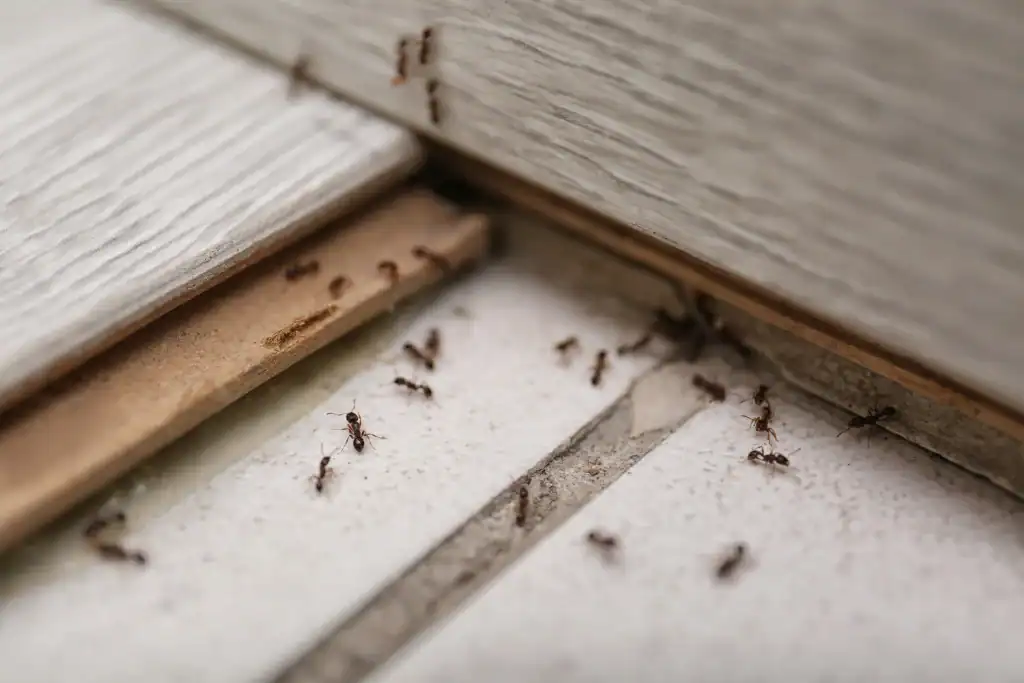
Once you have dealt with the current problem, the last thing you want is a repeat performance. Here is what works for long-term prevention:
Stay on top of cleanliness. This is the single most effective thing you can do. Clean up spills right away, keep food sealed, wash pet bowls, and do not let garbage pile up. Kitchens and dining areas deserve extra attention since that is where ants are most likely to forage.
Fix moisture issues. Leaky faucets, dripping pipes, and areas where water pools are ant magnets. Run dehumidifiers in damp basements and crawl spaces. Ants need water to survive, and cutting off that supply makes your home far less appealing. The National Pesticide Information Center specifically calls out moisture control as a primary defense against carpenter ants.
Trim vegetation away from the house. Trees, shrubs, and other plants that touch your home act as bridges for ants. Keep branches trimmed back at least a few inches from exterior walls and the roofline.
Move firewood away from the house. Woodpiles are prime nesting territory for many ant species, carpenter ants especially. Store firewood at least 20 feet from your home and keep it elevated off the ground.
Keep sealing cracks. Make it a habit to inspect the exterior of your home regularly for new gaps and openings. Pay close attention to areas where utility lines and pipes enter the house.
Deal with outdoor colonies before they move in. If you spot ant mounds or heavy activity in your yard, address it before they decide the inside of your house looks like a better option.
Consider a recurring pest control plan. A lot of homeowners find that quarterly or bi-monthly service gives them peace of mind and catches problems before they spiral. A professional can apply preventive treatments and spot warning signs you might miss.
How Much Does Ant Control Cost?
One of the first questions people have when searching for ant control near me is what it is going to run them. The honest answer: it depends.
For a one-time treatment, expect to pay somewhere in the range of $150 to $500, depending on the size of your home, the type of ant, and how serious the problem is. Carpenter ant treatment tends to be on the higher end because the inspection and treatment process is more involved.
Ongoing pest control plans typically run $30 to $75 per month, or $100 to $300 per quarter. These usually cover ants plus other common household pests and include regular inspections and treatments.
The cost of professional ant control might feel steep at first glance, but consider the alternative. Carpenter ants can cause thousands of dollars in structural damage if left unchecked — and homeowner’s insurance typically does not cover it. Even less destructive species can contaminate food and create an unsanitary environment that nobody wants to live in.
Most ant control companies offer free inspections and estimates, so it is absolutely worth reaching out to a few local providers to get a sense of what treatment will cost for your specific situation.
Natural and Eco-Friendly Ant Control Options
If you are concerned about chemicals in your home — especially with kids or pets around — you are not alone, and you have options. A lot of pest control companies now offer green or eco-friendly ant control treatments that use products derived from natural sources. These tend to be lower in toxicity for humans, pets, and the environment while still getting the job done against ants.
Some of the more common natural approaches include botanical insecticides derived from plants, essential oil-based repellents, boric acid baits, and Integrated Pest Management (IPM) strategies that focus on prevention first and use chemical treatments only as a last resort.
When searching for eco-friendly ant control near me, ask companies about their green options and exactly what products they use. A company worth hiring will be transparent about their methods and help you find a solution that fits your comfort level.
Take the Next Step Toward a Pest-Free Home
Dealing with ants is frustrating, but the good news is that it is a solvable problem. Whether you handle it yourself with baits and solid prevention habits or bring in a professional, the key is acting quickly and going after the root cause — not just the ants you can see on the surface.
When searching for ant control near me, take a little time to do your homework. Read reviews, ask the right questions, and choose a company that is experienced, licensed, and upfront about their methods and pricing. A good ant control professional will not just deal with the ants you have now — they will help you set up defenses so you are not dealing with the same problem again next season.
Ant control is often an ongoing effort, not a one-and-done fix. But by combining professional treatment with smart prevention habits, you can keep your home ant-free and enjoy the peace of mind that comes with knowing your space is actually protected. Whether it is a few scouts in the kitchen or a full-blown trail through the bathroom, help is available — and a pest-free home is absolutely within reach.