
Your home is supposed to be your safe place — not a buffet for uninvited intruders. If you’ve spotted the warning signs or simply want to stay ahead of trouble, here’s everything you need to know about termite treatment, inspection, and long-term protection in Montgomery County, Indiana.
You didn’t buy your home so something else could eat it.
But that’s exactly what termites do. Quietly, relentlessly, and often without a single visible clue until the damage is already done. According to the U.S. Environmental Protection Agency, termites cause billions of dollars in structural damage every year and most homeowner’s insurance policies don’t cover a dime of it.
If you’re searching for termite treatment near me, you’re already doing the right thing. You can see if our options work for you by checking out Our Services. Whether you’ve found mud tubes along your foundation, noticed hollow-sounding wood, or you just want the peace of mind that comes with knowing your home is protected, this guide will walk you through what to look for, what to expect, and how to choose the right termite protection for your home and family.
Why Termites Are the Unseen Intruder Every Homeowner Should Take Seriously
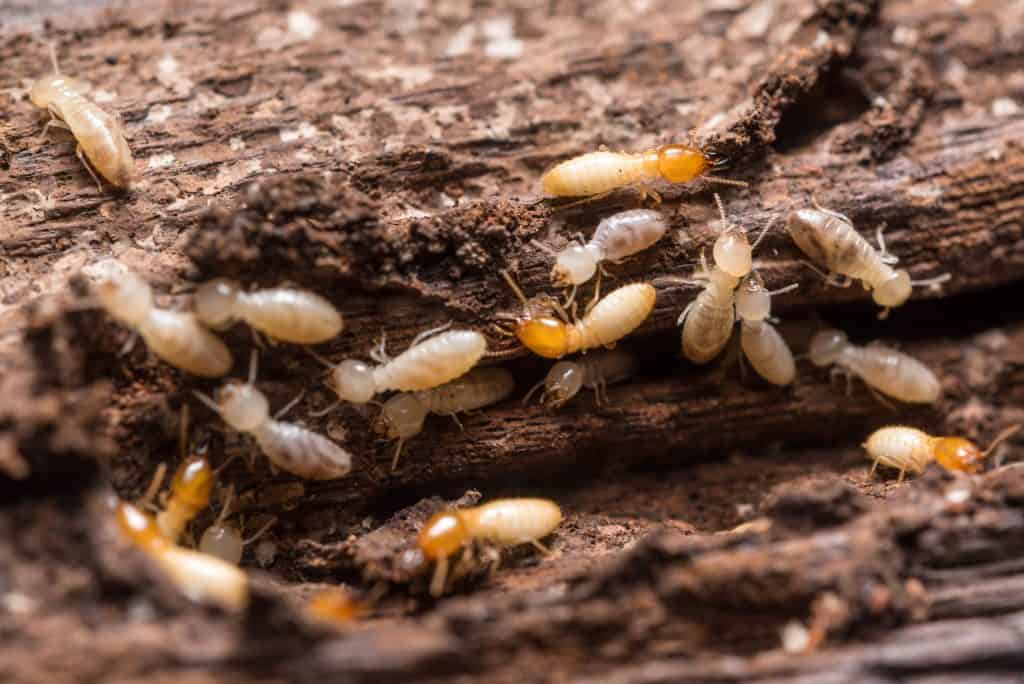
Unlike most pests that make themselves known pretty quickly, termites are masters of stealth. They tunnel through walls, floors, and foundations completely out of sight, feeding on the cellulose in your home’s wood framing, paper, and other organic materials. By the time you notice the damage, the colony has often been at work for months and sometimes years.
Here in Montgomery County, subterranean termites are the primary concern. These colonies live underground and build pencil-sized mud tubes to travel between their nests in the soil and the wood in your home. A single colony can contain hundreds of thousands of workers, and they don’t take days off.
That’s why a professional termite inspection isn’t just a good idea. It’s one of the most important things you can do to protect your biggest investment.
The Warning Signs: How to Know If You Need a Termite Inspection
You don’t need to be an expert to spot the early red flags. Here’s what to watch for around your Crawfordsville-area home:
Mud tubes on your foundation. These narrow, dirt-colored tunnels running up your foundation walls are highways for subterranean termites traveling between the soil and your home’s wood.
Discarded wings near windows and doors. After swarming season (typically spring in Indiana), reproductive termites shed their wings. Finding small, translucent wings on windowsills or near exterior doors is a strong sign a colony is nearby.
Hollow-sounding wood. Tap on baseboards, door frames, or structural beams. If they sound hollow or papery instead of solid, termites may be feeding inside.
Frass (termite droppings). Small piles of what looks like fine sawdust or wood-colored pellets near wooden structures can indicate drywood termite activity.
Bubbling or warped paint. This can indicate moisture buildup caused by termite activity beneath the surface.
If any of these sound familiar, don’t wait. Termite colonies don’t shrink on their own they grow. The sooner you schedule a professional inspection, the less damage you’ll face and the less treatment will cost.
What to Expect from a Professional Termite Inspection
A thorough termite inspection is the foundation of any effective protection plan. Here’s how it works when you schedule your free inspection with a qualified team:
A complete property walkthrough. Your Home Guardian will examine all accessible areas. The foundation, basement or crawl space, attic, garage, and the exterior perimeter of your home. Using specialized tools like thermal cameras and moisture meters, they’ll check for hidden activity that the naked eye would miss.
Identification of termite species. Different termites require different treatment approaches. Subterranean termites, which are most common in our region, behave very differently than drywood or dampwood termites. Accurate identification is essential for choosing the right protection plan.
A detailed report with a custom protection plan. After the inspection, you’ll receive a clear, honest assessment — not a pressure pitch. If termite activity is found, you’ll get a customized treatment recommendation tailored to your home’s construction, the severity of the situation, and your family’s needs. If no activity is found, you’ll receive prevention recommendations to keep it that way.
This isn’t about scaring anyone into a sale. It’s about giving you the information you need to make the best decision for your home and family.
Termite Treatment Options: What Actually Works
When it comes to eliminating a termite colony and protecting your home long-term, there are several proven methods a professional termite treatment company will consider:
Liquid Termiticide Barrier Treatment
This is one of the most established and effective approaches for subterranean termites. A continuous chemical barrier is applied to the soil around your home’s foundation. Modern non-repellent termiticides are designed so that termites can’t detect the barrier — they pass through it and carry the product back to the colony, gradually eliminating it from the inside out.
This method provides long-lasting protection and is a cornerstone of most residential termite treatment plans. When applied by trained professionals, today’s products are designed to be safe for your family and pets.
Termite Bait Systems
Bait stations placed in the ground around your home’s perimeter offer an environmentally conscious alternative or complement to liquid treatments. Worker termites discover the bait during their foraging, consume it, and share it with the rest of the colony including the queen. Over time, the colony collapses.
Bait systems are especially popular with homeowners looking for eco-friendly termite control options. They also provide excellent ongoing monitoring, alerting your protection team to new activity before it becomes a problem.
Localized and Direct Wood Treatment
For smaller, more contained situations particularly with drywood termites targeted treatments can be applied directly to the infested wood. This can include injecting termiticide into galleries or using heat treatment on specific areas. These approaches work well when the problem is caught early and hasn’t spread throughout the structure.
The right treatment depends on the species involved, the extent of the activity, and the unique construction of your home. That’s why a professional inspection always comes first.
How Much Does Termite Treatment Cost?

This is one of the most common questions homeowners ask, and the honest answer is: it depends. Factors that affect cost include the size of your home, the type of termite, how extensive the activity is, and which treatment method is recommended.
Here’s the important perspective, though: the cost of professional termite treatment is a fraction of what you’d spend repairing structural damage that’s been left unchecked. We’re talking about replacing load-bearing beams, subfloors, framing, and wall materials. Repairs that can run into the tens of thousands of dollars. And as Bankrate reports, most standard homeowners insurance policies don’t cover termite damage, since insurers consider it a preventable maintenance issue, which makes proactive protection even more critical.
When comparing quotes, don’t just look at the bottom-line number. Ask what’s included: Does the plan come with a warranty? Are follow-up inspections part of the service? Will they retreat if termites return? The lowest price isn’t always the best value if it leaves gaps in your protection.
Prevention: The Smartest Investment You Can Make
Even after successful treatment, ongoing prevention is what keeps your home protected for the long haul. The National Pest Management Association recommends several practical steps every Montgomery County homeowner should take:
Manage moisture around your home. Subterranean termites are drawn to damp conditions. Fix leaky faucets, repair damaged gutters, and ensure your crawl space has proper ventilation and drainage.
Eliminate wood-to-soil contact. If wooden porch posts, deck supports, siding, or landscaping timbers touch the ground directly, they create a bridge for termites to access your home. Maintain a gap of at least six inches between soil and any wood elements.
Keep mulch away from your foundation. While mulch looks great in flower beds, it retains moisture and can attract termites. Keep it several inches from your foundation walls, or consider using gravel or rubber alternatives near the house.
Store firewood and lumber away from your home. Stacking firewood against the house or storing lumber near the foundation is an open invitation for termites.
Schedule regular inspections. Even if you’ve had treatment, an annual professional inspection catches any new activity early — before it becomes a costly problem. Think of it as routine maintenance for the long-term health of your home.
Why Montgomery County Homeowners Choose Green Haven Pest Control
When you’re searching for termite treatment near me in Crawfordsville or anywhere in Montgomery County, you deserve a team that treats your home the way they’d treat their own.
At Green Haven Pest Control, we follow a simple 3-step process:
Step 1: Schedule Your Free Inspection. No pressure, no obligation. Just an honest, thorough look at your home by a trained Home Guardian using professional-grade thermal cameras, moisture meters, and borescopes.
Step 2: We Create Your Custom Protection Plan. Every home is different. Your plan is built around your specific situation. The right treatment for the right problem, at a price that’s transparent and fair.
Step 3: Live Pest-Free, Guaranteed. Our 100% satisfaction guarantee means if the intruders return, so do we. It’s that simple.
We’re not a national call center. We’re your Montgomery County neighbors. A locally owned, licensed, and insured pest control company built on a single mission: helping families feel safe and secure in their homes.
Our promise to you:
- Family-safe, pet-friendly solutions
- Transparent pricing with no surprises
- If pests return, so do we — guaranteed
- Certified, licensed professionals (Indiana License #B277788)
Don’t Wait for Termites to Make Themselves at Home
Termites won’t go away on their own, and every day without action is another day of potential damage. Whether you’ve spotted the warning signs or you simply want proactive protection for your family’s biggest investment, the next step is easy.
Your home should be your haven. Let’s keep it that way.
Green Haven Pest Control serves Crawfordsville and all of Montgomery County, Indiana, with residential, commercial, and property management pest protection services. Licensed (#B277788) and insured. Member of IPMA, NWCOA, and the Montgomery County Chamber of Commerce.
Questions about termite protection for your home? Call us. We’re happy to help.